A personal, curatorial & bilingual Blog about: Artistic Movements, my Art, Creativity, Innovation, Design, Leadership, Empowerment, Sustainability, Science, Jazz, Movies and other cool pursuits - Blog personal y curatorial bilingüe sobre: Movimentos Artísticos, mi Arte, Creatividad, Innovación, Diseño, Liderazgo, Empoderamiento, Sustentabilidad, Ciencia, Jazz, Películas y otros temas.
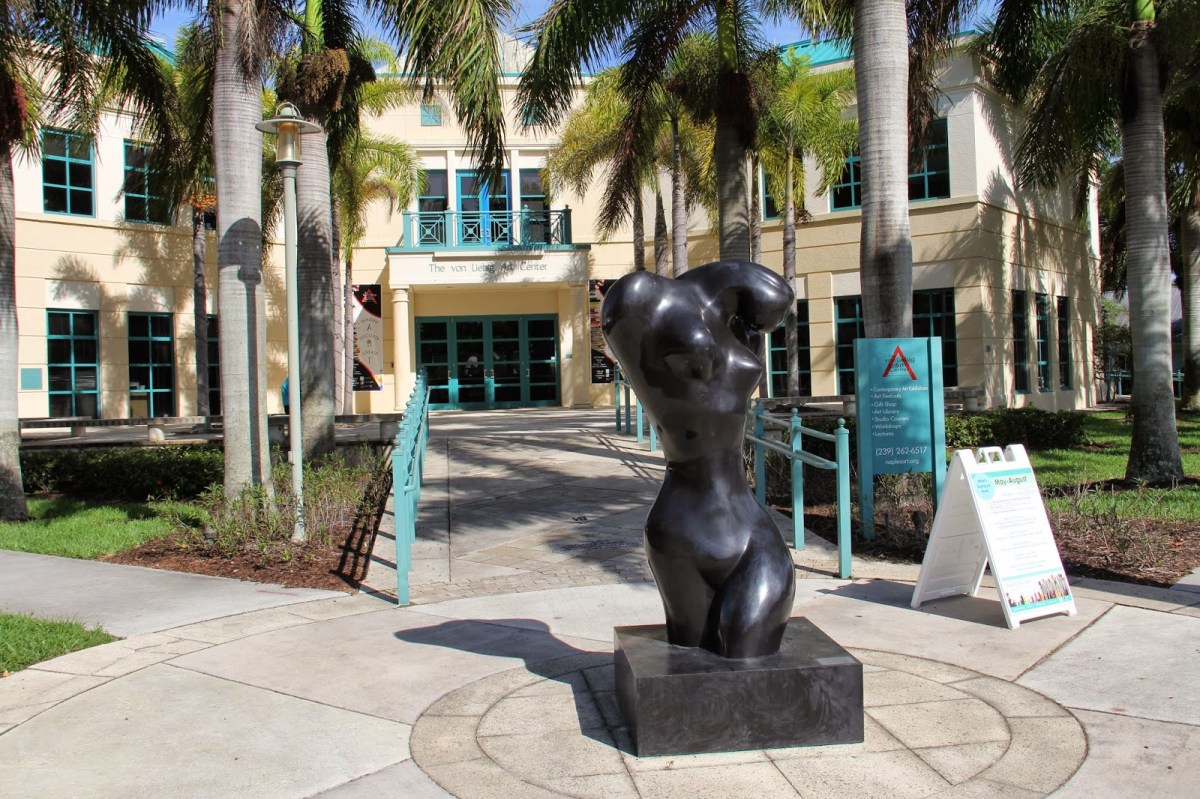
After landing in Naples Monday morning, Tuesday April 26th has been a busy day. With NAA Curator Jack O¨Brien at the helm of a talented team, the preparations for the exhibiton “IGNACIO ALPERIN: A VISUAL JAZZ AFFAIR”, which is sponsored by the Naples Art Association and Art Naples World Festival 2016 (Stay in May) are at full swing. Grand opening nextThursday April 28th and general opening April 29th.
Later on the same day I had the opportunity to visit Ave Maria University and enjoyed immensely the opportunity to share a creativity lecture with a group of smart and receptive students (Thank you Jennifer Nodes and everyone at AMU).
Luego del desembarco en Naples el lunes, primer día de trabajo y preparativos para la apertura de la muestra “Ignacio Alperin: A visual Jazz Affair” en la Watson Gallery de Naples, auspiciado por la Naples Art Association y Art Naples Wold Festival 2016. El próximo jueves 28 de abril.
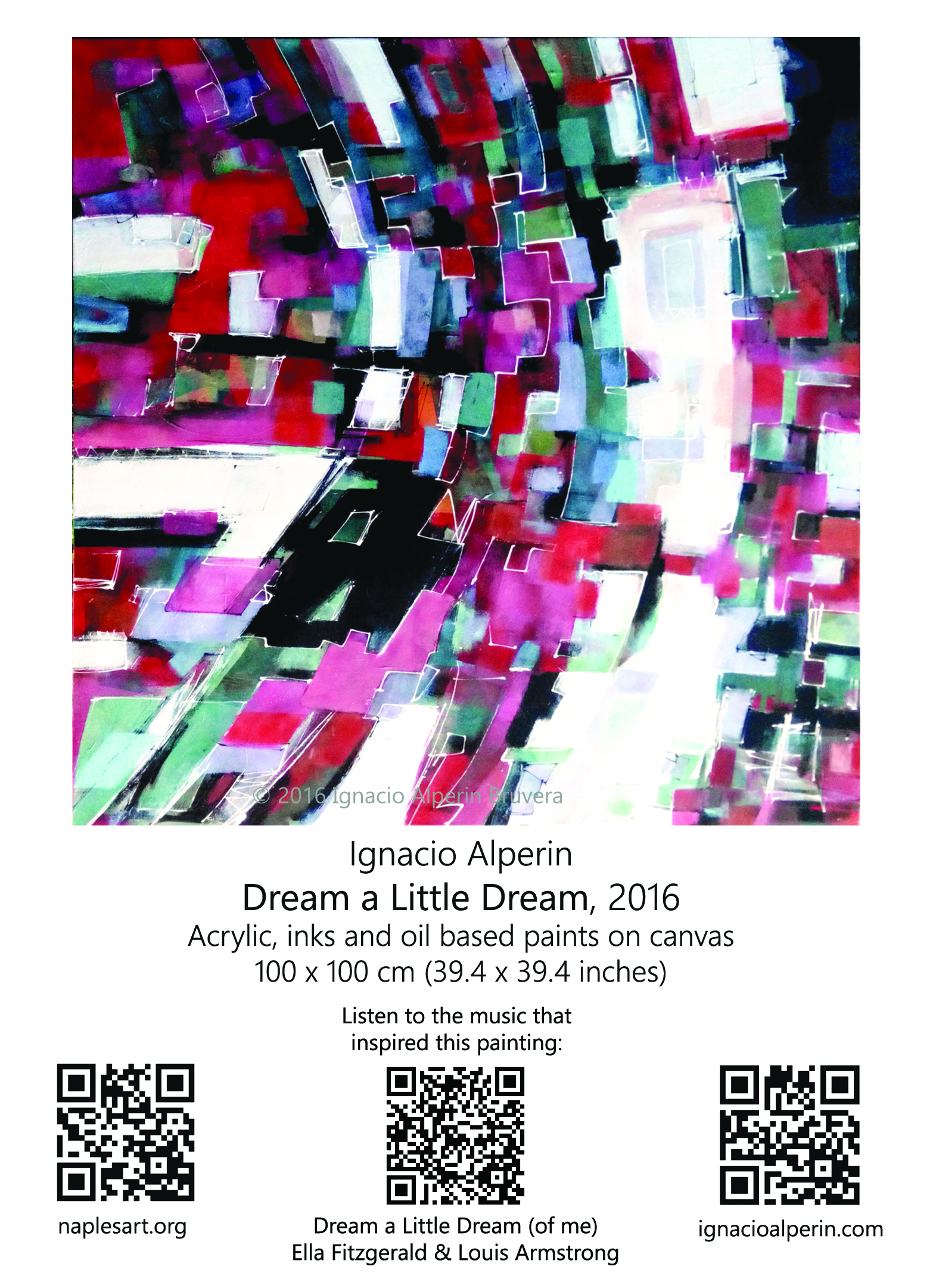
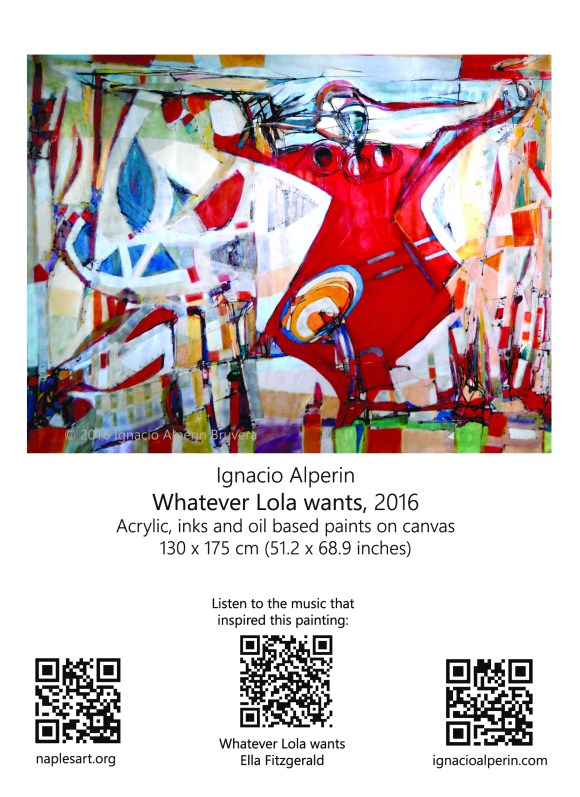
This is a series of short posts presenting the artworks in “IGNACIO ALPERIN: A VISUAL JAZZ AFFAIR”, exhibition at the Watson Gallery, Naples and sponsored by the Naples Art Association together with Art Naples World Festival 2016 (Stay in May 2016). From April 28th until June 3rd, 2016.
Ave Maria is a Catholic University and a Town of the same name, both founded by Tom Monahan, former President/CEO and founder of the Domino´s Pizza chain, and sustained by him together with an important number of donors. More than $400 million dollars have been invested in the total project since its beginnings as Ave Maria College in 1998.
This slideshow requires JavaScript.
Monaghan, who is still Chairman of the University, was raised in a Catholic orphanage, making him a classic rags-to-riches story. Located at the southern end of Florida, Ave Maria is a unique place. Its development, even if it came at a slow pace at first, has been constant. While today is already one of the fastest growing new Universities in the US and a very ambitious and successful educational and lifestyle project.
Most of the people in Ave Maria are retired, work at Ave Maria University or commute to jobs in Naples, 45 minutes away. The community is surrounded by small towns – its closest neighbor being Immokalee, a community of about 20,000 people, most of them Hispanic-
In 2013, the religious order Mother Teresa founded in Calcutta, the Missionaries of Charity, granted the University official permission to establish the “Mother Teresa Project at Ave Maria University,” the first-of- its-kind in the world . No college campus in America has a program of study and service which honors this Nobel Peace Prize winner whom many believe was the most beloved individual of the 20th century.
At a time when the world is rife with violence and riven with division among the world’s religions, the goal of the Mother Teresa Project is to produce graduates of Ave Maria University who will spread her compassion and teachings to a new generation of Americans who know little about this saintly woman, and in the process, spread peace in the same manner as she did – one person at a time. (From the AMU website)
Tuesday April 26th, 4 PM, the University Library: “SIMPLICITY AS A PATH TO THE CORRECT RESULT” (AVE MARIA, FLORIDA)
Lecture by Ignacio Alperin at Ave Maria University.
The lecture will include most of the following topics:
– Universal simplicity: The scientific view (Einstein/Gell-Mann/Newton/Hawking)
– Simplicity = Beauty = Elegance?
– The role of architecture in the business universe
– The business universe: The Facebook example
– The mathematician´s trick
– Building consensus
– A matter of communication
– Nothing we imagine is absolute, yet it may still work!
This is a series of short posts presenting the artworks in “IGNACIO ALPERIN: A VISUAL JAZZ AFFAIR”, exhibition at the Watson Gallery, Naples and sponsored by the Naples Art Association together with Art Naples World Festival 2016 (Stay in May 2016). From April 28th until June 3rd, 2016.
You know that there are things you love. You see them, touch them, they may make you feel happy, or uncomfortable, or childlike, or even sad. Yet, you still love them.
That happens to me with many gallery experiences. I go in and see stuff that I simply enjoy. As most of you may know, I am an artist myself. So I love seeing what others do, how others express themselves, their techniques, their sublime expressiveness and their massive flops. It is all part of the planetary network of neurons that we all share as artists. If you want, it is something like letting the left side of your brain getting a glimpse of what the right side is doing. Sometime you may approve and sometimes you may not, but most of the times, you will probably think “that´s different, why didn´t I think of that” (while in others it will be more like “I´m glad I didn´t go there…).
There are as many visual paradigms as inhabitants on this planet we call Earth. Yet the freedom to express those different views of the world are not that simply available. We artists are, in general, highly sensitive individuals. And we are courageous too. The truth is that not everyone is prepared to pour his or her heart out so that someone can trample on it. We artists do that time and time again, and I can assure you there is always someone ready to trample, jump, back-up over the victim, and even do a few wheelies over the dead body.
But we learn to survive with certain stoicism. Sometimes it hurts, but we have also learned that survival is paramount to our success. Most of us will use basic methods of defense like intellectually separating the views on our art from personal references (which are different things in fact, but not always easily disconnected at the receiving end).
The truth is that our art is usually something very personal. Our artistic expression is a part of our inner being just hanging somewhere for people to see and criticize. And so, in self defense, some of us may resort to more unusual methods of resistance. They may vary from practicing Voodoo, to even make the “tramplers” (I think I just made up a new word) part of a very profound exhibition on the subject of feces – or something of the sort -.
Jokes aside, it is quite clear that criticism, and therefore critics, are part of the business. There are good critics. Some kind, some harsh, some provocative, but in general terms, they are looking to guide, to get the kinks out of our work by forcing us to move when we have become staid, or to help us stop when we are moving too far away from our essence. The truth is that there are as many critics as people who see our work (“Everyone´s a critic” as the old showbiz saying goes).
But then there is another special race. These are darker figures lurching in the shadows. Critics like, let me see… like you are a werewolf and they are vampires and we are in the middle of a battle from the “Underworld” movies.
These people gladly – and without afterthought – destroy without pity, they convey lessons that they themselves made up about the “right” way to do things and the “wrong” way to do them, or are even stuck in some rigid and parsimonious “standard of practices manual” – which they themselves have written or presumed-.
And it is not that I do not agree with the fact that certain things should not be done in the name of art. People hurting animals, or other people for that fact, or making fun of the old or the frail in the name of art sickens me. Can someone call that art? Sure, you can call art anything you want. Now, is it art? And most importantly, should that be done? In my book these things would rank as a definite “No” (Paraphrasing Chris Rock: “You can drive a car with your feet, but that doesn’t mean it is something to be done”).
But these people are not about criticizing these things. They place themselves in the role of judges of the correct ethical and artistic paradigm, and then proceed to destroy the poor artist who dares cross over or yet remain in visual or aesthetic areas with which they do not agree.
Some of these so called critics, albeit not all of course, even agree with the crazy stunts I mentioned before for the sake of being on the “edge”, or for the sake of generating a new market, or a new “visual experience”. And if they change their own sustaining paradigms in the middle of the stream, they will usually explain this move as just their way of evolving. Never as the result of the work of the artists which they had summarily and harshly dismiss not long ago.
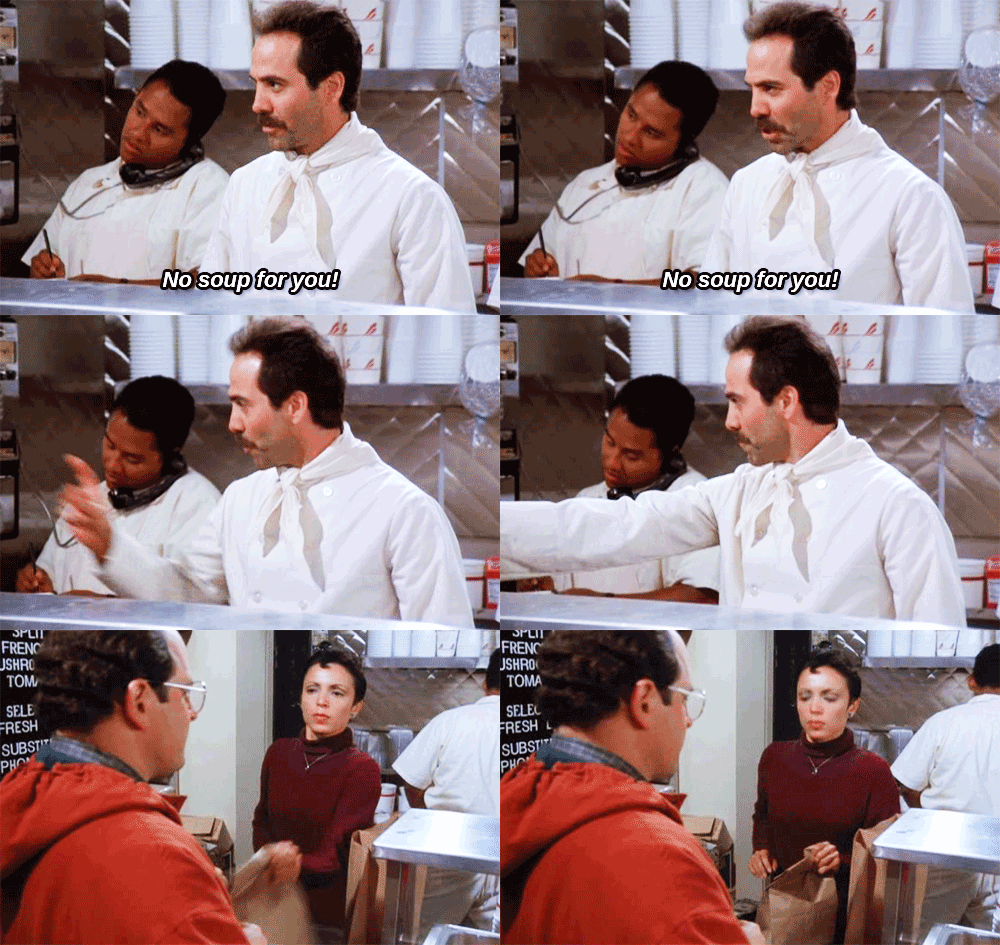
These people I have happily renamed “The Art Nazis”. Just like the beloved “Soup Nazi” of Seinfeld fame, the Art Nazi is that person who has such a strict view of what art is or should be, that shoots to kill anything that does not fit within his or her views.
The truth is that we may find them anywhere. There are even dealers and gallery owners who also belong to the Art Nazi breed. And I can tell you, they are not only difficult for the emerging artists who come to them for advise, and who get shot down and sent to the back of the imaginary line. They are also the young artist´s worst enemy, and the established artist most difficult nightmare.
“What rubbish”, or the look of disdain and the typical “this is not good enough”, to the pretty extremist “get THIS out of my gallery” (all true cases) are not uncommon. These rebukes, and right to the jugular type of criticism, resonates in the poor heads of artists, some of whom have even crumbled under the weight of the Art Nazi´s critical hammer.
People have the right to “like or not like”, criticize, ignore or applaud – I am not disputing any that -, but visual coerciveness to force a resolution acceptable to some rule is conceptually the opposite of art. Yet, it is apparent that some egos must be fed, some closed markets maintained and some careers pushed along.So the Art Nazis survive by keeping a tight reign over their whole area of influence.
The lesson is always one. Always take the time to listen, even if it is harsh criticism. But learn to distinguish between a tough critic and your run of the mill “art nazi”. In their case, the way to proceed is to just ignore their painful remarks and keep looking for other avenues of exchange.
The main thing is not to lose your faith and keep searching for those who will finally understand what you are trying to say. Look for the ones who may even “get” your point, or those who will be critical – even relentlessly – but always in good faith. Search for those who will be amazed at your freedom of expression and at the fact that, your constant disregard of some accepted paradigm, has allowed you to cross over into another artistic dimension. In short, search for the ones that, with their comments, will nurture you somehow instead of just feed their own egos.
There are a lot of good people out there. From individual art lovers, to experts, critics, journalists, curators, art dealers, “connoisseurs”, and gallery owners who love art a little bit more that the “Art industry”. And do not misunderstand me. I am all for the Art Industry. But if we kill the artist, we will kill the industry as well.
So, find the good honest thinkers, the ones that believe in, and protect, freedom of expression. Maybe, unlike the Soup Nazi, they may not always necessarily have long queues of people at the door who are ready to be fed their concoctions. But these are the people who know what true Art is all about. They are the ones who will guide you and help you to go as far as you possibly can with your career.
I urge you to look for them. I am sure they are out there waiting for you and your art.
Borges is one of Argentina´s great prides. The kind of author that forces everyone to say “Of course I´ve read Borges!” (be it true or not).
His friend and sometime collaborator, the also brilliant writer Adolfo Bioy Casares, called his texts “halfway houses between an essay and a story”.
Borges was not known as a great lover of music. He enjoyed classical music, and even tango as long as the “bandoneon” was not too prominent.
There is a lovely story about him going, invited by a friend, to watch a tango musician and composer whom everyone said was some kind of “boy wonder” of the new tango wave. One that borrowed a great deal from his New York upbringing and carried a very jazzy influence. His name was Astor Piazzola.
Borges apparently stayed for about six songs, and suddenly turned around, looked at his friend, and said: “Let´s go. Apparently they decided they were not going to play tango tonight”. Or so the story goes.
If you have never read him, recommended works by this very influential author (some have gone as far as to say that he may have been the XXth Century´s best writer: http://www.bbc.com/culture/story/20140902-the-20th-centurys-best-writer ) could be Ficciones (The Garden of Forking Paths, The Circular Ruins for example), Laberynth, The Aleph, and the earlier The Approach to Al-Mu’tasim (1938).
Borges is a bridge. A bridge between old and new, North and South, Classical and modern trends. In way he is also a bridge between Europe, Africa, Asia and the Americas. He is all about being new while rehashing what has already been done. Showing that what we create is more like what we “recreate”. His stories are wonderful to read, despite their inherent complexity, and they always feel new.
Clearly, he was also more open minded than many gave him credit for, since even after allegedly leaving Piazzola´s concert and despite his known dislike for the bandoneon, shortly after he went on to join forces with him in a project in 1965. From that wonderful coupling we have this beautiful song simply called: “El Tango”.
BORGIANIUS KAFKARIS (2016) by Ignacio Alperin – 150cm x 150cm –
“Blue in Green” is the third tune on Miles Davis’ 1959 album, Kind of Blue. One of two ballads on the LP. (the other being “Flamenco Sketches“).
As an aside here (and something that may earn you points in one of those “did you know?” kind of games), it has been said that the second ballad which appears on the record as “Flamenco Sketches” is in fact the song “All Blues” and vice versa. Yes, the argument is that somebody may have switched them by mistake and that they only realized it when the records were already printed and so were the covers, and as a result one simply became the other.
At the very least this is what Jeremy Yudkin argues (also as an aside point) in his scholarly article Miles Davis Kind of Blue, which you can read on the Oxford University Press Music Quarterly Journal. He correctly points out that “Flamenco Sketches” fits more logically with the strumming mid-tempo of the song which appears as “All Blues”, while the title “All Blues” fits much better with the last, very slow song that is known as “Flamenco Sketches” (If you ask me, the easiest thing would be to simply check the original copyright registry of both scores…but no one is asking me…I know).
In any case, the spirit behind “That other day” is a little bit more complex, and less romantic, than “That Day”.
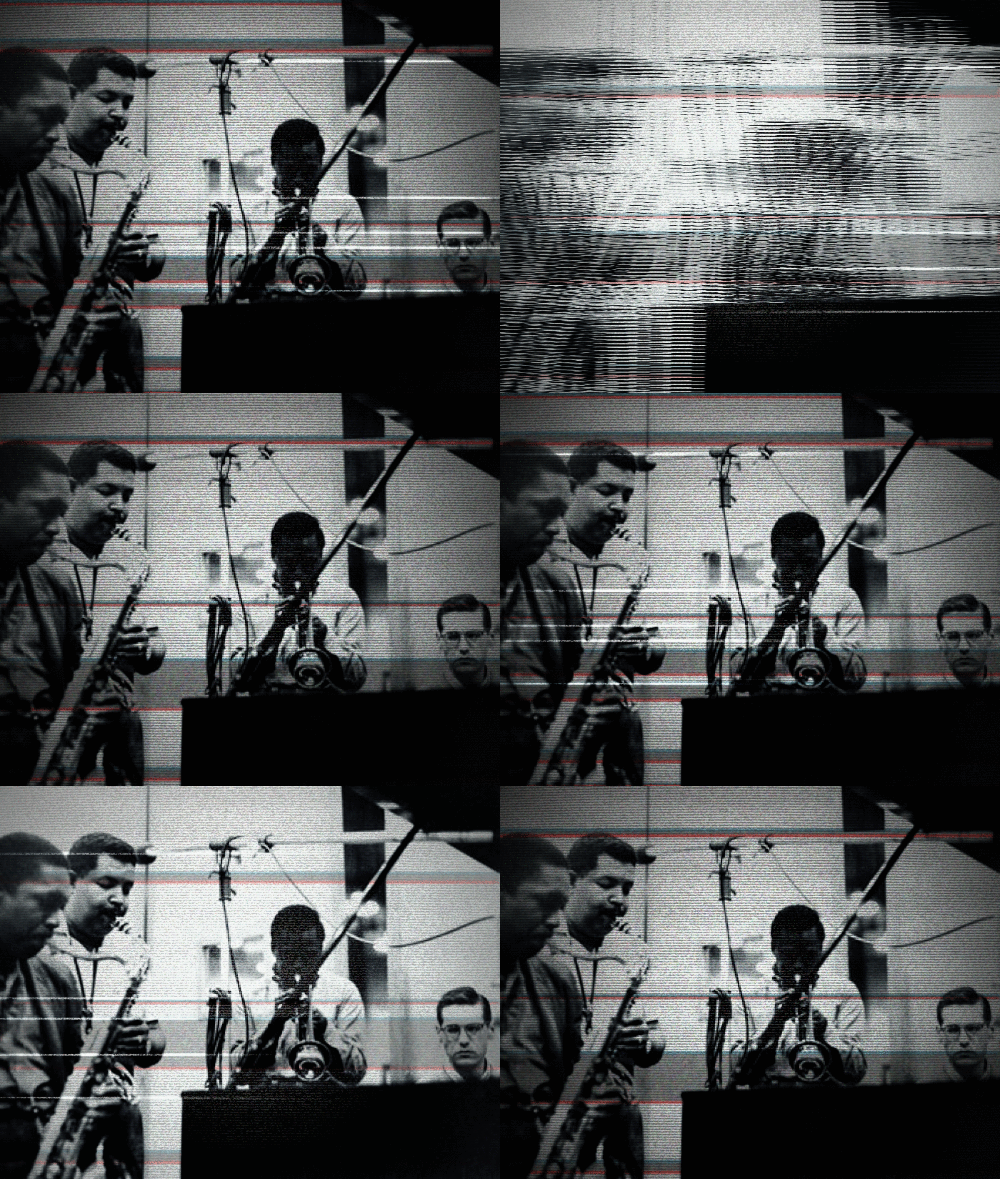
One of the most beautiful songs in that masterpiece album is “Blue in Green“, with its mainly modal melody. Recorded on March 2nd, 1959, in New York City, and in the same session where “So what” – another classic – was also recorded, it was the result of combining the talents of some of the best musicians of its time: Julian “Cannonball” Adderley, Miles Davis, Jimmy Cobb, Bill Evans on piano, and Paul Chambers on bass.
Even though the song appeared in the original record as written by Davis, it has long been speculated that pianist Bill Evans had, at the very least, a hand in it (the credits for the Evan´s trio Album “Portrait in Jazz”, in which there is a version of “Blue in Green”, attribute the song to ´Davis-Evans´)
Some go as far as to say that Evans actually wrote it. This is the case of producer Earl Zindar, whom in the Fall 1993 issue of a magazine called Letter from Evans , said that he knew perfectly well that Evans had actually penned it himself. He said “I know that it is [100-percent Bill (Evan)’s] because he wrote it over at my pad where I was staying in East Harlem, 5th floor walkup, and he stayed until 3 o’clock in the morning playing these six bars over and over.”
On the opposite side of the street we find Miles Davis asserting, in his autobiography, that he alone composed all the songs on Kind of Blue. Confirming this is the writer and poet Quincy Troupe, co-author of one of the best know Davis biographies -, who said in an interview and in regards to this issue:
“Miles talked about being back in Arkansas, and he was walking home from church. And the people in the backwoods were playing these really bad, really great gospels. He couldn’t see the people but he heard these gospels coming in through the trees and over the trees. And it was dark and he was about six years old, and he was walking with his cousin. So he said that gospel, and that music, and also he had been listening to the music from the Guinean Ballet, the finger piano, so all of that fused and came back to him with this feeling that he heard playing when he was walking through the back roads of Arkansas.
And he started remembering what that music sounded like and felt like. He said that feeling was what I was trying to get close to in Kind of Blue. That feeling had got in my creative blood, my imagination, and I had forgotten it was there. I wrote these blues to try to get back to that feeling I had when I was six years old, walking with my cousin down that dark, Arkansas road.”
The end result is that, sadly, we will never know the whole truth. Over the last 20 years the song appears mostly now as a “Davis-Evans” composition. It is sometimes difficult to know what goes on in the mind of brilliantly creative people to get stuck, at one point, over something like this and never settle the issue. I guess, it is that exception that everyone talks about when reaffirming a certain opposite rule.
The issue became so heated between both musicians that Zindar himself, in another interview conducted by Win Hinkle, recalled the 1978 Evans NPR interview in which he asserts his authorship of the song, and recalls –with certain humor and disdain – writing to Miles with the suggestion that he should be entitled to a percentage of royalties, to which Miles apparently responded with an envelope that had a check for twenty-five dollars in it.
I am no musician, but I can distinctly see Evans hand in this. Miles was also a wizard, so doubts persist. I guess the best way to go about it is to just enjoy their brilliance and accept that for once, these two geniuses showed their flaws and pettiness for all of us to see. An exceptional blemish for two men who had dazzling musical careers that no one can refute or argue with.
Here is my pictorial version of “That Other Day”. That nonetheless beautiful day – the music still moves us the same way it did before – but it is also the day in which these two egos collided. More complex than the original painting, but maintaining its spirit and stressing the superposed opinions of Bill and Miles.
It was a rainy morning that had turned into a lovely afternoon. You know the sort of day I mean. Wet streets that reflect the sunlight with enriched tones, trees with rain water droplets hanging from every leave. The air, cleared by nature and perfumed by the ozone coming from the warm wet grass of the park next door, while the cleansing wind felt slightly cooler from caressing the surface of all the wet buildings that surrounded us.
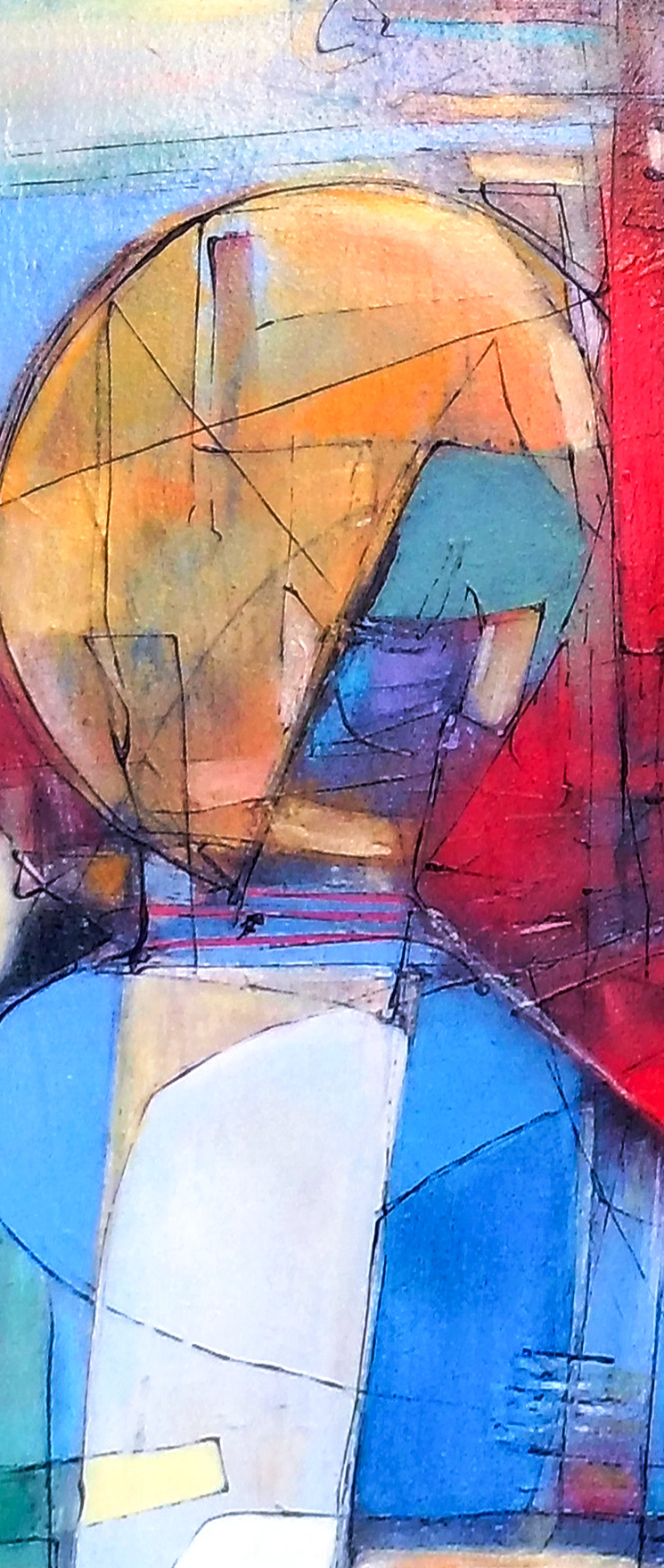
THAT DAY (2014) – detail – by Ignacio Alperin
As usual, I was painting and listening to some jazz.
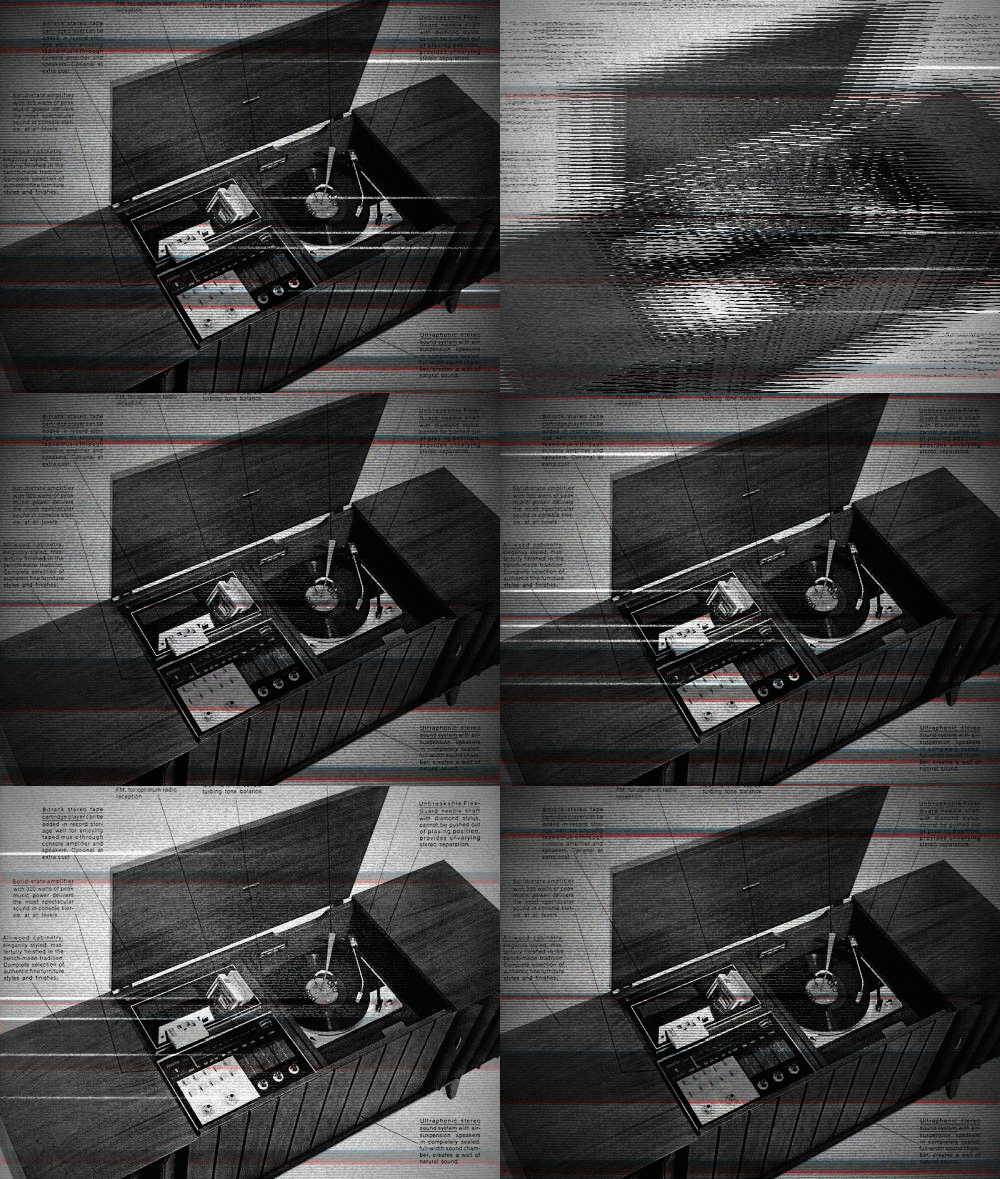
It was Kind of Blue, in vinyl, playing this time on an old record player rather than my usual garb. A gift from my late dear aunt Frances whom, after passing away, had left for me to enjoy.
I remember sill that at first I could not get it to work. It was a portable Phillips record player in bright red which packs like a little suitcase. Very cute, very shiny, and very silent.
I thought to myself, “Where will I be able to find someone to fix this?”
THAT DAY – Detail
It was, after all, more than 40 years old. So I gave it a try myself. As it happens, and as I fiddled with it for a while, I realized that it didn´t work simply because it had never been plugged in since purchased. It was brand new, seals untouched, warranty still in the box. Simply the contacts had rusted over the years from inaction.
A bit of cleaning and suddenly, I was off and running. The slightly tinny sound of the small speakers did not bother me. I had my huge Yamahas for everything else. This was the right sound for special moments.
And this was one of those special moments. As artists, we all – consciously or not – try to achieve some kind of immortality. Or at the very least, surpass our own life time by leaving behind something that may allow us to achieve a kind of “longevity” of sorts through our artistic works.
I envy – in a manner that is more healthy admiration – the fact that movie actors and musicians through image and sound can achieve this much more easily than us.
To me, listening to any of these recordings is like being in my house one moment, then I turn Kind of Blue on, and next thing I know, I am pushed into some type of time travelling gizmo. All of a sudden I am in 1959, standing in a corner of a studio while these guys, most of them long gone in 2016, come suddenly to life.
They look at each other, some smile, others concentrate while puffing smoke, others chew gum and read their music. Suddenly the voice behind the glass taps and says “Take one!”, and off they go. As I listen they are alive, they are immortal, they are playing “live” for me once again and they are great at it.
It is that very personal, very emotional connection, the one I use in my painting. It is a combination of admiration, melancholy, and happiness. My synesthesia helps along the way, and it all translates into colors and shapes, and hopefully feelings transmitted at a distance.
So I was painting and I thought to myself “This day” is “That day”. The wet trees, the sun coming through, Miles´ trumpet pushing the clouds, Evans keyboard giving a soundtrack to the wind, Cannonball and Coltrane caressing the grass, Chambers putting rhythm to the bounce of every rain drop, and Cobb simply reminding us of the summer storm that was quickly receding in the background.
And here is “That Day”.
The result of that beautiful rainy morning, and sunny afternoon, in which a great “live” band and myself just spent the time painting together.
THAT DAY (2014) by Ignacio Alperin 60cm x 80cm Acrylic, oil based paints and sprays, and inks on canvas



 In 2013, the religious order Mother Teresa founded in Calcutta, the Missionaries of Charity, granted the University official permission to establish the “Mother Teresa Project at Ave Maria University,” the first-of- its-kind in the world . No college campus in America has a program of study and service which honors this Nobel Peace Prize winner whom many believe was the most beloved individual of the 20th century.


 Borges is one of Argentina´s great prides. The kind of author that forces everyone to say “Of course I´ve read Borges!” (be it true or not).


 On the opposite side of the street we find Miles Davis asserting, in his autobiography, that he alone composed all the songs on Kind of Blue. Confirming this is the writer and poet Quincy Troupe, co-author of one of the best know Davis biographies -, who said in an interview and in regards to this issue: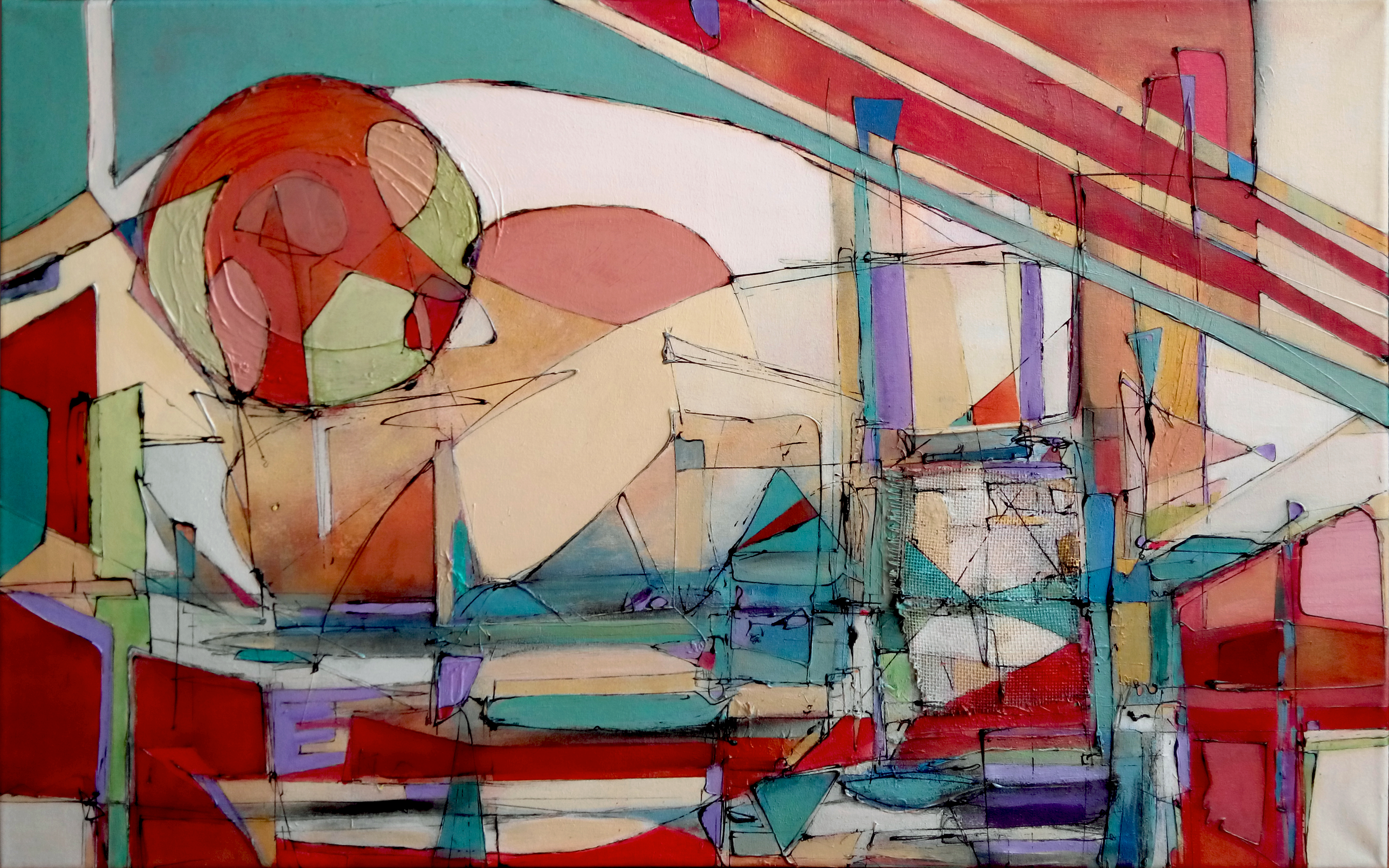



 IGNACIO ALPERIN: THE ART OF THINKING OUT LOUD / EL ARTE DE PENSAR EN VOZ ALTA