IR AL ARTÍCULO ORIGINAL EN REVISTA REPUBLICANA
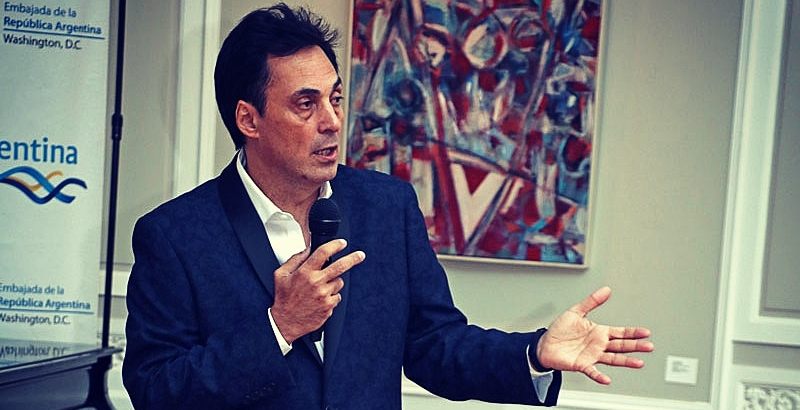
IGNACIO ALPERÍN BRUVERA: «INTENTAR UNA VISIÓN IDEOLÓGICA ÚNICA DE LA CULTURA, HACE MUCHO DAÑO»
9 mayo, 2021
DESTACADO
REVISTA REPUBLICANA: La pandemia ha generado una situación sin precedentes para la cultura en el mundo. ¿Cree que hay un antes y un después luego de todo esto ?
IGNACIO ALPERIN: Hay momentos en la vida de la humanidad que son pivotales. Todavía no queda totalmente claro si éste es uno de ellos. Aunque todo estaría indicando que será así.
Por un lado, porque nos está obligando a dar un salto tecnológico, marcado por importantes derivaciones sociales, que está siendo mucho más rápido e importante que ese gradual movimiento hacia las nuevas tecnologías en el que estábamos inmersos, hasta hace poco más de un año. Por el otro, porque nos ha permitido -más allá que sea por las peores razones- , tener una pausa para reanalizar y repriorizar como llevar adelante nuestras vidas.
Lo paradójico es que lo que está sucediendo se perciba como algo inesperado, cuando está lejos de serlo. Más allá de la experiencia histórica sobre estas calamidades, que pareciera haber pasado desapercibida, decenas de trabajos, estudios y avisos ya venían expresando y marcando alertas sobre estos temas desde hace décadas.
Justamente, lo que parece ser tan preocupante de este brote, es que en esta era de grandes avances tecnológicos, comunicaciones veloces y masivas, inteligencia artificial y bienestar general, los gobiernos y dirigencias de nuestro planeta hayan sido sorprendidos por el mismo tipo de tormenta que, por experiencia compartida, sabemos que siempre se está gestando.
Es como si las diferentes epidemias que nos han afectado -en los últimos 70 años en particular han sido muchas-, no nos hubieran enseñado lo suficiente sobre la importancia de estar atentos y de fomentar la investigación compartida. Y ni que hablar sobre la propagación y la enseñanza constante de reglas básicas de salud e higiene pública e individual, que no son otra cosa que el producto combinado de siglos de experiencia humana.
El resultado es que como sociedades, pareciéramos estar actuando de manera espasmódica, en el mejor de los casos. Y más allá que logremos detener esta pandemia, algo que descuento, me genera dudas cuál será nuestra respuesta posterior y si lograremos aprender la lección principal que, un evento de esta gravedad, debería enseñarnos.
Ya hablando específicamente de la cultura, digamos que no escapa de esta falta de liderazgos y de dirección que afectan otras áreas de nuestras sociedades (y hablo en plural porque se trata de un problema global).
Me atrevo a decir que el shock pandémico se ha expresado muy fuertemente en el aspecto cultural. Evidentemente, se trata de un gran llamado de atención en relación a cómo deberemos gestar políticas y estrategias culturales hacia adelante.
Mucho de lo que hacíamos estaba planificado alrededor de actividades que requerían necesariamente de presencialidad. En el mundo del arte, hablamos de museos, muestras, ventas en galerías, charlas y conferencias y ferias. Mientras que en el ámbito más amplio de las actividades culturales, la danza, los conciertos, el teatro, el cine, el stand-up… podría seguir. En resumen, todas nuestras industrias estaban basadas, en un gran porcentaje, en la cercanía física y no en la virtualidad.
En esa realidad todo tenía -tiene- una línea conductora que condensa 5 o 6 mil años de tradiciones. Eso le da fortaleza y resiliencia al conjunto. Pero también, cuando las bases de sustento de ese sistema tan tradicional se resquebrajan, como ocurre en una pandemia de la magnitud como la que estamos atravesando, el resultado es el de una crisis que genera resistencias. Algo lógico porque también nos exige realizar importantes cambios. Por todas esas razones, los tiempos de adaptación no van a ser uniformes.
No descubro nada diciendo que toda crisis representa, también, una gran oportunidad. En términos de adaptabilidad, de incorporación de tecnología, de comprensión, de sustentabilidad del sistema. No es fácil pasar de una industria que se ha respaldado por siglos en el contacto directo, hacia algo que sólo permite un relación directa esporádica.
El contacto no solo es un parámetro frío. Representa las características de un sistema que se basa en la emocionalidad, en la conversación casi íntima, en el guiño, en la generación de confianza, en el aprendizaje y la valoración del otro.
Cuando hablamos de este circuito de cercanías en relación al arte, por ejemplo, estamos pensando en los artistas, curadores y galeristas, proveedores, al trabajo de los periodistas especializados, los coleccionistas y los interesados en la cultura. En fin, de todos quienes aportan valor a la cultura como concepto y a las industrias culturales como actividad. Ese cambio, que posiblemente se va a solidificar en muchos aspectos con el tiempo, es paradigmático. Y está siendo muy difícil de sortear para muchos.
Igualmente mi visión es siempre positiva. Soy de los que ven el vaso siempre lleno. Esa visión está basada en la adaptabilidad ante los cambios. Lo que sea que quedó de agua en el vaso será completado por aire siempre. Es nuestra tarea -muy creativa por cierto- la de utilizar todo lo que encontremos para reconstruir.
De hecho estamos acostumbrados a hacer lo mismo en otros ámbitos. Rehacerse es una actitud muy humana. No vamos por la vida tal cual como llegamos. Nos reconstruimos constantemente y ante cada cambio, nuestra configuración sufre la metamorfosis de esa reconstrucción. Terminar distintos no es terminar más débiles. De hecho, exhibe dos claras fortalezas. La capacidad de revivir de las cenizas, como el ave Fenix. Y también la posibilidad de adquirir capacidades aumentadas, producto de romper con las debilidades momentáneas y reemplazarlas por fortalezas futuras.
Mi esperanza, claramente, es que la cultura siga ese camino, porque es columna vertebral de toda nuestra civilización. Y lo que estoy viendo, más allá de la crisis en términos económicos y creativos, me indica que ya hay claras señales que estamos en el camino de la adaptación y del fortalecimiento.
RR: Como artista. ¿Cómo ve la situación de sus colegas en este contexto?
IA: Obviamente la pandemia nos ha pegado de lleno. No podemos victimizarnos tampoco cuando vivimos en un país con un nivel de pobreza que supera el 42% de la población general y que incluye en ese número a más de la mitad de chicos. Pero también es cierto, como decía una vieja frase de la Mafalda de Quino, que “en este país lo urgente nunca le da tiempo a lo importante”.
Yo veo situaciones variadas. Algunos, pese a la caída en los valores de sus obras en términos relativos, o a una menor demanda puntual, han logrado igualmente vender más ante la inversión realizada por muchos para mejorar hogares y espacios de trabajo personales -como una manera de sortear con mayor comodidad tanto encierro-. Dinero que podría haber ido a vacaciones, terminó en esos caso parcialmente dedicado a la compra de muebles, artefactos de iluminación y a obras de arte de valores medios para abajo.
En términos de las galerías, las cifras fluctúan, pero por lo que he escuchado, ha habido una disminución en las ventas en el 2020, comparado al 2019, de entre el 60% y el 85%. Para las galerías, ese ha sido un golpe durísimo que algunas han podido sobrellevar, pero muchas no. Las casas de subastas, en cambio, parecieran haber sufrido un poco menos. Particularmente, porque coleccionistas decidieron deshacerse de obras para convertirlas en dinero en efectivo y así sortear la crisis con mayor tranquilidad.
Digamos, como una realidad de lo que hacemos, que el mercado del arte en Argentina no es muy poderoso. La adquisición de obras es algo muy alejado de las primeras necesidades y, por sus características, se mantiene dentro de una concepción general de bien suntuario. Por lo que una situación como esta – caída estrepitosa de la actividad económica general más la imposibilidad de exportar- ha lastimado aún más a una industria que es muy reactiva a las fluctuaciones de la economía.
Aclaro que esa debilidad no pasa ni por la calidad, ni por la creatividad, ni por la capacidad de nuestros artistas. No tenemos una tradición fuerte en términos del mercado del arte. A eso se le agrega que, a raíz de concepciones ideológicas que terminan siendo dañinas, el arte argentino sufre desde hace mucho un aislamiento relativamente importante de los mercados internacionales. Como te imaginarás, esa es una realidad que solo una minoría logra sortear.
RR: Ese tema es muy interesante. Entonces, si bien el arte argentino es muy valorado en el mundo, comparado con otros países de la región, parece no haber logrado la misma penetración en otros mercados del mundo. ¿Por qué sucede esto?
IA: Creo que el artista en nuestro país, es un poco un prisionero económico e ideológico. Hay conceptos repetidos que solo han hecho daño. Y una legislación anticuada que confunde y que, por ejemplo, reconvierte cualquier cosa en patrimonio cultural. Todo eso colabora para que el movimiento de la obra de arte de cualquier artista, sea toda una pequeña hazaña.
En la administración anterior, se había logrado que al menos los procesos fuesen más federales y sencillos, convirtiendo la exportación de una obra en un proceso simple y online. Hoy hemos vuelto para atrás, lo que momentáneamente no afecta demasiado debido a los cierres de fronteras vigentes. Pero sigue siendo un paso atrás.
Igualmente digamos que esta realidad es de larga data. Bill Clinton hubiese dicho “es la economía. estúpido” (frase en realidad de James Carville). Y no estamos lejos de eso. Las fluctuaciones de nuestra economía, los tipos de cambio, las dificultades para mover obras, las dificultades para traer obras extranjeras que permitan procesos de intercambio más ágiles entre museos y grandes instituciones, la desmedida presión impositiva y la falta de apoyo del Estado como facilitador – en lugar de como comisario y filtro de visiones ideológicas – de una actividad como la cultura, explican mucho de esto y son algunas de las razones que nos han llevado a esta realidad.
Yo siento que la cultura es algo fluido, porque es un espacio de libre pensamiento por excelencia. De la coexistencia y el enlazamiento de todas las visiones, nace una cultura nacional que fluye y cambia día a día. Por eso creo que intentar establecer una visión ideológica única de la cultura, hace mucho daño. Porque trata de congelarla y convertirla en algo inamovible. Y ahí perdemos todos, porque se pierde la riqueza de la diversidad, pero también porque no nos permite crecer. Se convierte así más en un instrumento político y propagandístico, que en algo que represente nuestra riqueza cultural.
Y hay experiencias históricas. Es en ese crecimiento exponencial que se produce en un ámbito de verdadera libertad, en donde reside nuestra riqueza cultural. Y por esa razón, siento que no hay nada más importante que comprender de una buena vez, que nuestras industrias culturales requieren de una visión globalizada y enlazada con el mundo.
El ámbito de la cultura es nuestro nexo con la mente universal, con la caja de resonancia de todos los pensamientos y corrientes que se producen en el planeta. Es la que nos permite, de alguna manera, que se abran puertas en todos los mercados para nuestros artistas y, como resultado de esa curiosidad por nuestras expresiones artísticas, audiovisuales y creativas, también se abrirán nuevas puertas de ingreso a los mercados del mundo.
No es nada nuevo decir que el crecimiento de muchas de las principales economías modernas fueron de la mano de un avance cultural. Si a eso le sumamos nuestro ingenio y la capacidad emprendedora argentina, estoy convencido que podremos crecer y vencer esta inercia en la que estamos sumidos desde hace tanto tiempo.
RR: Cambiando de tema. Usted participa de un grupo llamado apertura republicana. Nos cuenta sobre este proyecto y qué se busca hacer desde la cultura ?
IA: Apertura Republicana es un grupo que nace dentro del Pro de la mano, entre otros, de alguien muy respetado como Juan Curutchet. El grupo en sí, busca ser una voz que represente ideas más liberales y políticamente -y en términos de la política económica- mucho más contemporáneas que el constante refritado de ideas fallidas que se vienen ensayando en nuestro país desde hace tantas décadas (como si haciendo siempre lo mismo pudiésemos esperar resultados diferentes).
Creo que, por sobre todas las cosas, es una voz que busca generar y promover ideas de gestión verdaderamente progresista en el sentido más Alberdiano del concepto – en términos del progreso del país a través del crecimiento individual y la capacidad conjunta de cada uno de sus ciudadanos-.
Obviamente, AR forma parte de un partido y de una coalición muy amplia y pluralista, pero es su razón de ser y la intención que nos convoca, el tratar de consensuar con nuestros socios, políticas futuras dentro de una visión liberal.
En el caso de la Mesa de Política Culturales, creo que tenemos un grupo de personas con capacidades extraordinarias, repletos de ideas y de ganas de hacer, lo cual se ve reflejado en cada una de las reuniones que realizamos. Nuestra visión está basada en la libertad y el respeto y es, por eso, que muchas figuras apartidarias o extrapartidarias han decidido formar parte de un intercambio de ideas que nos ayude a generar nuevas políticas y propuestas.
Nuestra visión no es la de un Estado bobo que continúe repartiendo una torta cada vez más pequeña, para un grupo cada vez más selecto. En cambio, creemos sí en un Estado facilitador, que permita liberar y expandir las extraordinarias energías que tenemos los argentinos, encerradas dentro de una maraña de regulaciones, prohibiciones y miedos a competir desde hace tantos años.
Creemos en la cultura argentina y creemos que esa cultura debe salir a propagarse por el mundo, apuntalada por un Estado que sea lo que debe ser, el gran propiciador o coadyuvante que permita desterrar la constante pauperización de nuestras actividades y de nuestros artistas. Yo creo que por ahí pasa mayormente nuestro foco. Las industrias culturales argentinas pueden, en su conjunto, no solo mejorar la economía individual de sus miembros. De hecho pueden convertirse en una de las más grandes fuentes de ingresos de nuestro país en el siglo 21. Y para eso estamos trabajando.
RR: Las expresiones artísticas siempre ha sido una buena brújula sobre la realidad social. En Argentina, sin embargo, no se han escuchado muchas reflexiones sobre la crisis que se vive. Porqué cree qué pasa esto ?
IA: Yo creo que va a haber tiempo de sobra para las reflexiones. Es como que estamos a mitad del río todavía y cuesta. De hecho, yo empecé a escribir algo hace unos días, tratando de analizar la respuesta del gobierno ante la pandemia de manera menos política, y más técnica. Y realmente se hace muy difícil separar lo técnico, de las decisiones ideológicas y el aparente desorden generalizado que uno percibe.
Si querés, y como para ponerlo en términos muy simples pero visuales, se parece a Endgame, la película de los Vengadores. Aparentemente, la mitad de la población de la tierra va a desaparecer. Pero lo que ocurrirá realmente dependerá de una batalla final, que en la película hubiese durado menos de la mitad del tiempo si no fuese por el excesivo uso de la cámara lenta.
Acá estamos así, con un gobierno que nos obliga -por acción u omisión- a transitar este trance muy lentamente, mientras vemos como todo explota y los escombros pasan lánguidamente alrededor nuestro. Pero aunque uno prevé cómo será el final, no nos va a quedar otra que pasar por todo eso para llegar a confirmarlo. Y en la vida, como en esa película, siempre puede haber sorpresas, aunque cada vez pareciera haber menos margen para eso.
Claramente hay una gran crisis y esa crisis es profunda, por muchas de las razones que ya mencioné a lo largo de nuestra conversación. Imagino el caso de instituciones o estructuras muy anquilosadas, donde habrá algunas que desaparezcan para siempre y otras para quienes esta crisis sea transformativa.
Sospecho que muchas pasarán a ser crisálidas y algunas reaparecerán como geniales mariposas en un tiempo prudencial. En lo individual, los argentinos particularmente, estamos acostumbrados a vivir en crisis (algo que el primer mundo se ha olvidado de cómo sobrellevar). Yo confío en nuestra resiliencia, en nuestra capacidad de reinventarnos y de levantar vuelo desde las cenizas.
Pero va a ser fundamental liberar ese espíritu emprendedor argentino, que ha pasado tanto tiempo atado bajo un paternalismo que, claramente, responde a un “papá” que no tiene las herramientas para cuidar ni para educar.
Aparte ya somos grandes y una sociedad -como cualquier persona- debe liberarse para terminar de madurar, de crecer y para encontrar su rumbo. Un rumbo que no está en manos de ningún iluminado, sin importar la ideología o el partido.
En la cultura, como en cualquier otra actividad humana, el futuro lo hacemos entre todos, con esfuerzo, con sentido solidario y aprovechando cada oportunidad. Sin eso, seguiremos deambulando en una obscuridad que nos frustra y nos lastima.
RR: Por último. ¿Cómo evalúa la gestión del ministerio de cultura nacional ?
IA: Voy a intentar ser justo y dar una respuesta elegante. Más allá que ya he mencionado algunos temas, está claro que ante las circunstancias es muy difícil analizar un ministerio que ha tenido la mayoría de sus actividades suspendidas.
Sigue habiendo una enorme masa de decisiones que tienden a alejarse de lo puramente cultural. Volvemos a encontrarnos con una visión ya remanida de estos temas, que da vueltas- y más vueltas- sobre esta idea de la cultura como un coto de caza mayormente ideológico. Demás está decir que no comulgo con esa visión.
Pero en pos de ser justo, y dadas las circunstancias, te voy a pedir que me vuelvas a hacer esta pregunta de acá a unos cuantos meses. Es todo lo que estoy preparado a decirte al respecto por el momento.
_____________________________________________________________________________________________

©2021 by Ignacio Alperin Bruvera
Ignacio Alperin Art
http://www.ignacioalperin.com
http://www.theartofthinkingoutloud.com

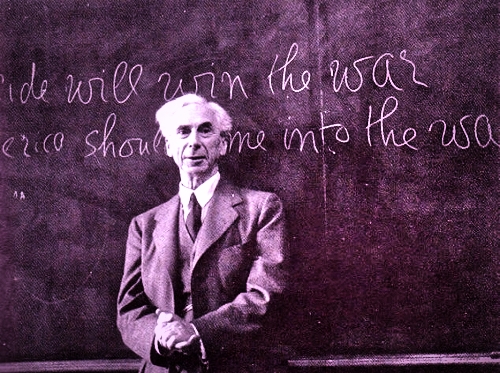
 I selected this video a long time ago. For many reasons, mostly my own life pushing me to concentrate on other things, I have left it on the backburner all this time. Yet, it is not something to be kept there. It is a thoroughly enjoyable conversation with a man that possessed one of the most robust minds of the late 19th and 20th centuries.
 In my lectures I always mention at some point something that the great Hans Rosling has said or done.

 IGNACIO ALPERIN: THE ART OF THINKING OUT LOUD / EL ARTE DE PENSAR EN VOZ ALTA